

Treatment
Cardiovascular Disease Treatment
Ischemic heart disease
- Diagnostic tests
- Electrocardiography (ECG), Echocardiography, Exercise Stress ECG, Holter ECG Monitoring, Cardiac Nuclear Medicine Imaging, Coronary CT, MRI, Coronary Angiography (Cardiac Catheterization)
- Treatment
- For patients with angina pectoris, in addition to medical therapy, percutaneous coronary intervention (PCI) is performed when indicated. In cases of acute myocardial infarction, emergency PCI is often required. Following the acute phase, ongoing management of complications is necessary depending on the extent of cardiac damage.
Various devices and techniques are utilized during PCI according to the characteristics of the lesion being treated, including: Thrombus aspiration, Rotational atherectomy (Rotablator), Drug-eluting stents (DES), Drug-coated balloons (DCB)
Heart failure
- Diagnostic tests
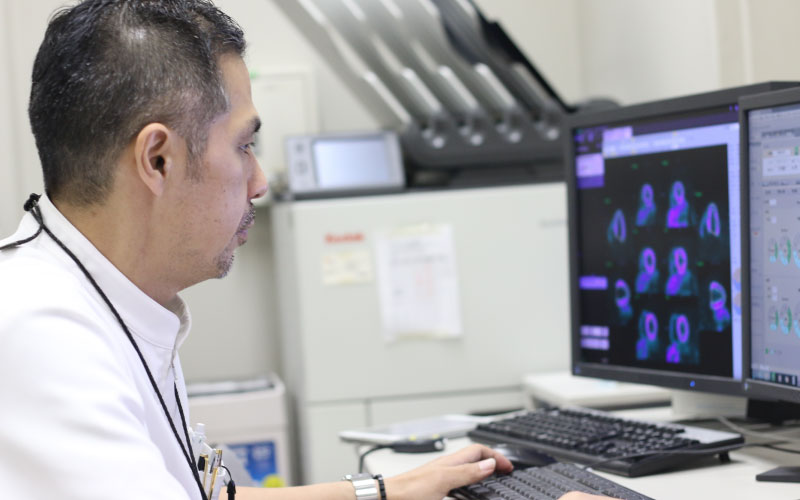
- Echocardiography (cardiac ultrasound), Blood tests (BNP, NT-proBNP, etc.), Cardiac catheterization (coronary angiography, right heart catheterization, etc.), Cardiac CT and MRI, Nuclear cardiology imaging (SPECT and PET), etc.
- Treatment
- Pharmacological therapy, Non-pharmacological therapy (catheter-based or surgical treatment for valvular heart disease, cardiac resynchronization therapy, implantable cardioverter-defibrillators, etc.), exercise therapy and revascularization procedures. For advanced heart failure, mechanical circulatory support devices and heart transplantation in collaboration with university hospitals.
- ●Pharmacological therapy
- In addition to beta-blockers, renin-angiotensin-aldosterone system (RAAS) inhibitors, and diuretics, several new medications for heart failure have become available.
- ●Specialized cardiovascular diseases(Cardiac sarcoidosis, cardiac amyloidosis, cardiac Fabry disease, triglyceride deposit cardiomyovasculopathy [TGCV], etc.)
- We provide diagnosis and treatment tailored to each specific condition. Non-pharmacological therapies, such as cardiac resynchronization therapy, can also be performed at affiliated university hospitals and other partner institutions.
- ●Valvular heart disease treatment
- In addition to conventional surgical procedures, such as valve replacement and valve repair, catheter-based treatments including TAVI (Transcatheter Aortic Valve Implantation) and MitraClip are available at affiliated institutions.
- ●Arrhythmias associated with heart failure
- Antiarrhythmic drug therapy, Catheter ablation
Pacemaker implantation, Implantation of an implantable cardioverter-defibrillator (ICD) - ●Cardiac rehabilitation
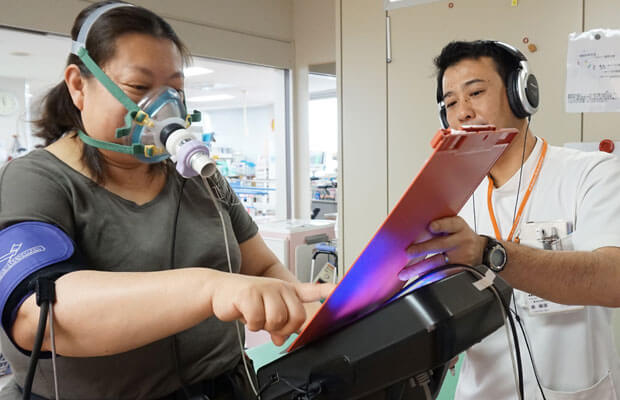
- We actively provide both inpatient and outpatient cardiac rehabilitation in collaboration with certified cardiac rehabilitation instructors and cardiologists.
Arrhythmia
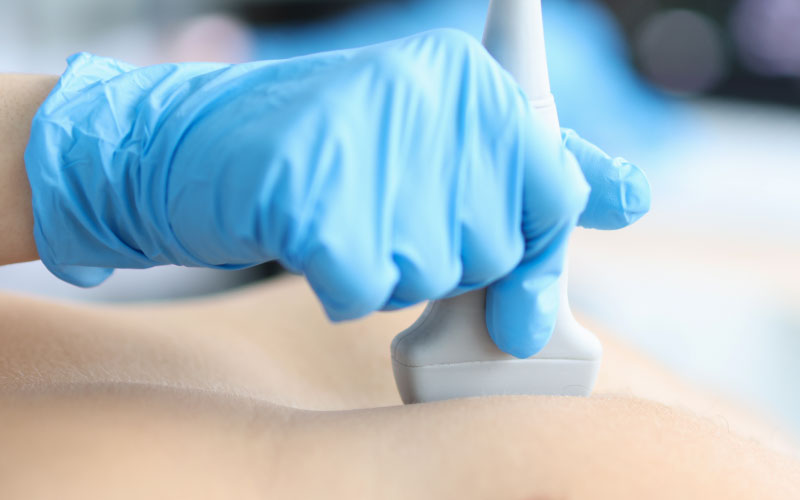
- Diagnostic tests
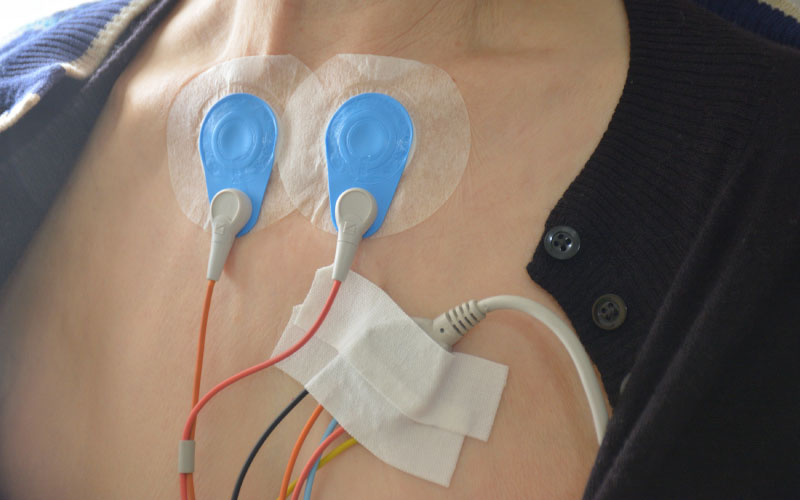
- Electrocardiogram (ECG), Holter ECG, Exercise Stress ECG, Echocardiography, Electrophysiology Study (EPS)
- Treatment
- Bradyarrhythmias—such as sick sinus syndrome, atrioventricular block, and bradycardic atrial fibrillation—cause a slow heart rate and may lead to dizziness, syncope, or heart failure. In such cases, pacemaker therapy is required.
Treatment for tachyarrhythmias—such as atrial tachycardia, paroxysmal supraventricular tachycardia, ventricular tachycardia, ventricular fibrillation, and tachycardic atrial fibrillation—includes medication, electrical cardioversion, and catheter ablation.
Catheter ablation is a procedure in which the abnormal site of electrical excitation that triggers the arrhythmia is eliminated by applying radiofrequency energy through a catheter. In recent years, this therapy has been widely used for atrial fibrillation.
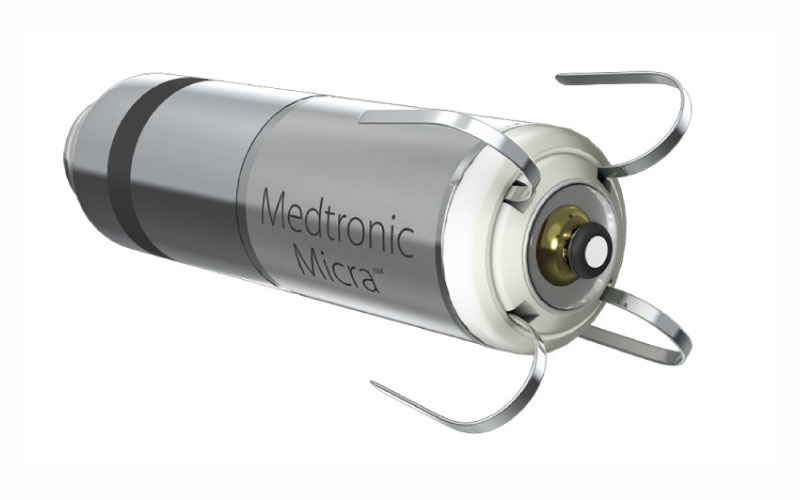
Leadless pacemaker (Medtronic Micra VR/AV) Implantation available
A leadless pacemaker differs from conventional pacemakers implanted under the skin. Using a catheter, a small device approximately 2 cm in size is placed directly inside the heart to improve bradycardia.
Because it eliminates the need for a subcutaneous pocket and leads, it is suitable even for patients with end‑stage renal disease on dialysis, those prone to infections, or individuals with sarcopenia for whom conventional pacemaker implantation is challenging. Compared with traditional pacemakers, it offers shorter procedure times and hospital stays. The median battery life is approximately 15–16 years.
Peripheral Arterial Disease (PAD)
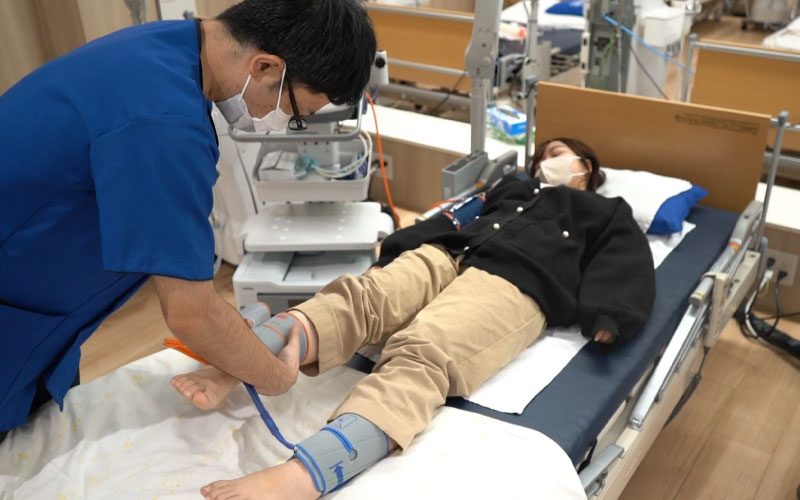
- Diagnostic tests
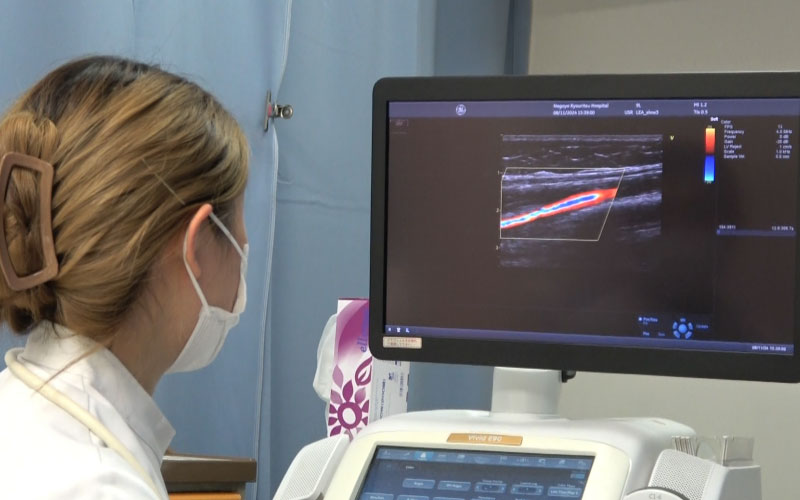
- Ankle–Brachial Index (ABI), Skin Perfusion Pressure (SPP), Vascular Ultrasound, CT, MRI, Angiography (Catheterization test)
- Treatment
- In the early stages, treatment is based on medication and exercise therapy, and revascularization—primarily endovascular treatment (EVT)—is performed when necessary. As the condition progresses, the risk of limb loss increases (a state known as chronic limb‑threatening ischemia, or CLTI), and multidisciplinary treatment including revascularization (EVT or surgical bypass) becomes essential.
Varicose veins
- Treatment
- Laser treatment is performed from inside the affected vein. A thin catheter is inserted into the vessel, and laser energy is used to seal the vein that has developed varicosities. Because only a small skin incision is required, the physical burden is minimal and postoperative pain is generally mild.